Cold water
The dip
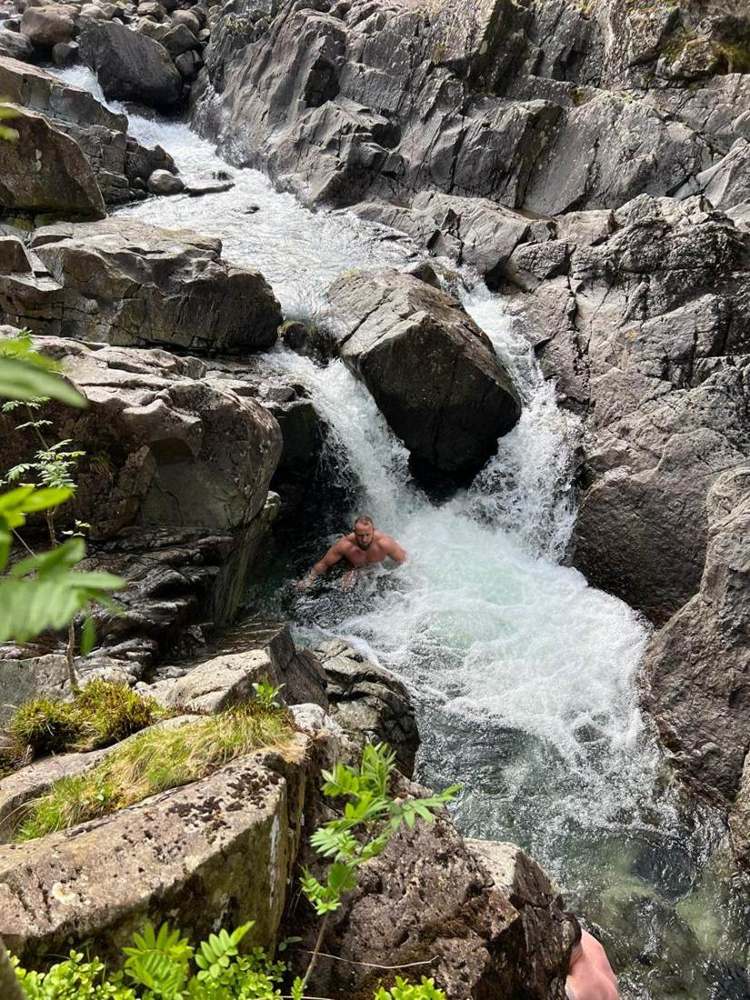
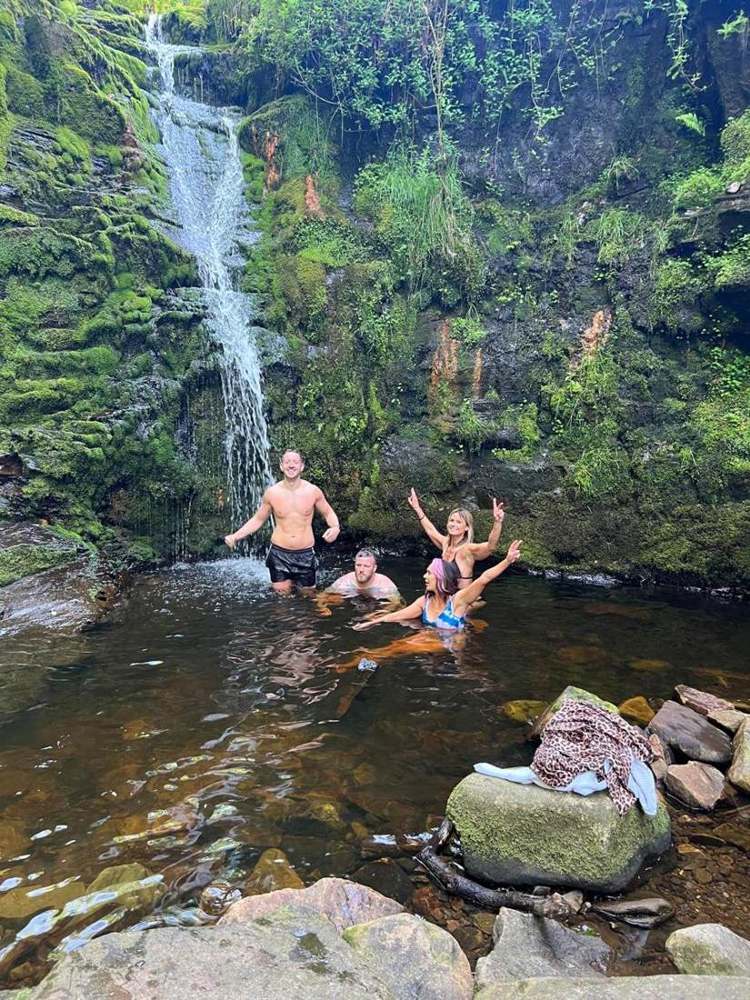
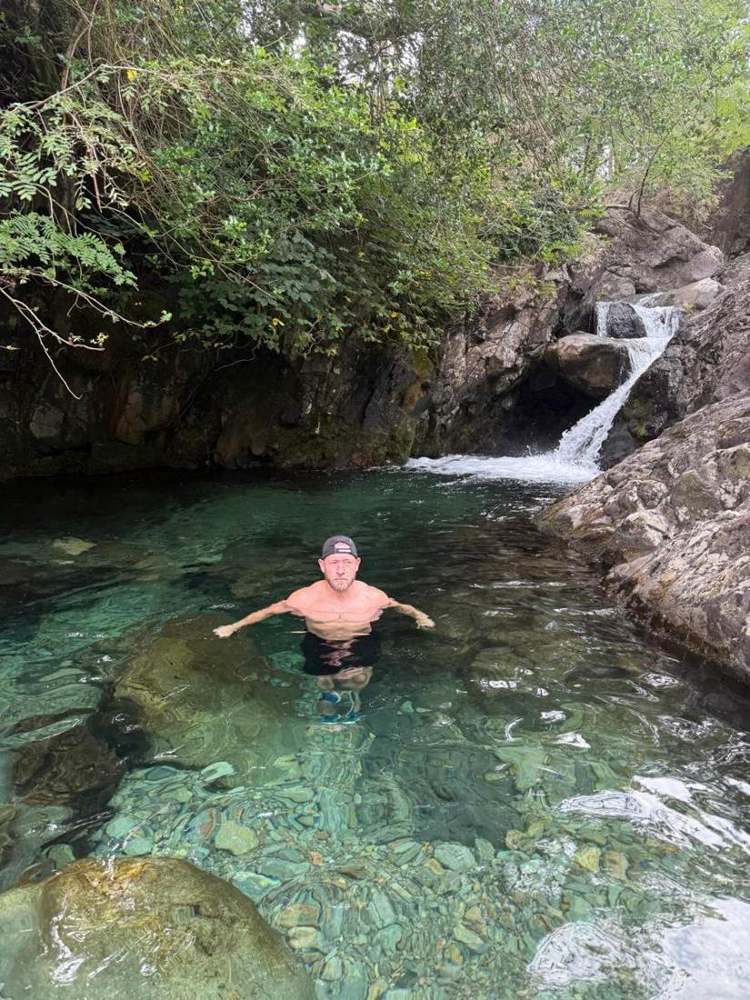
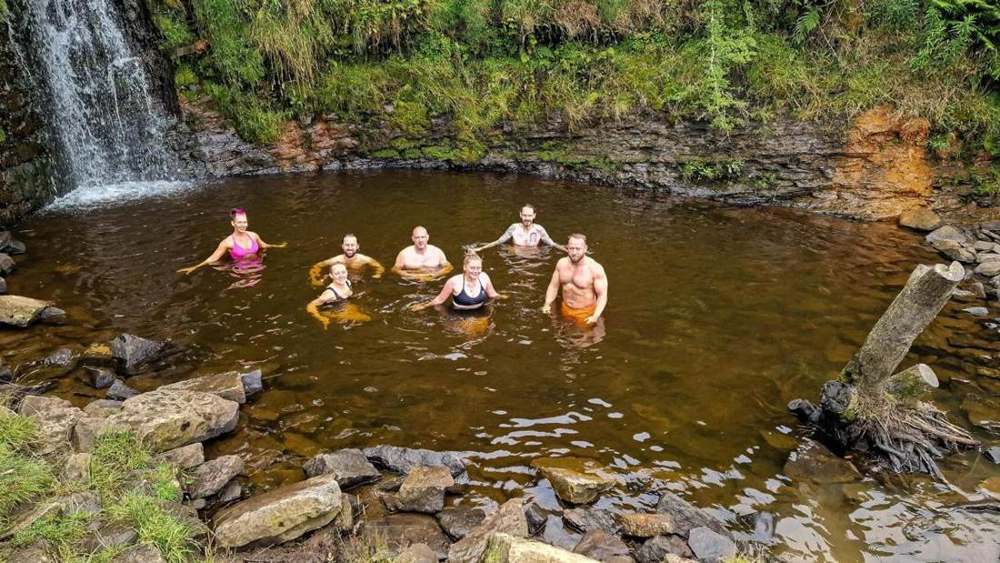
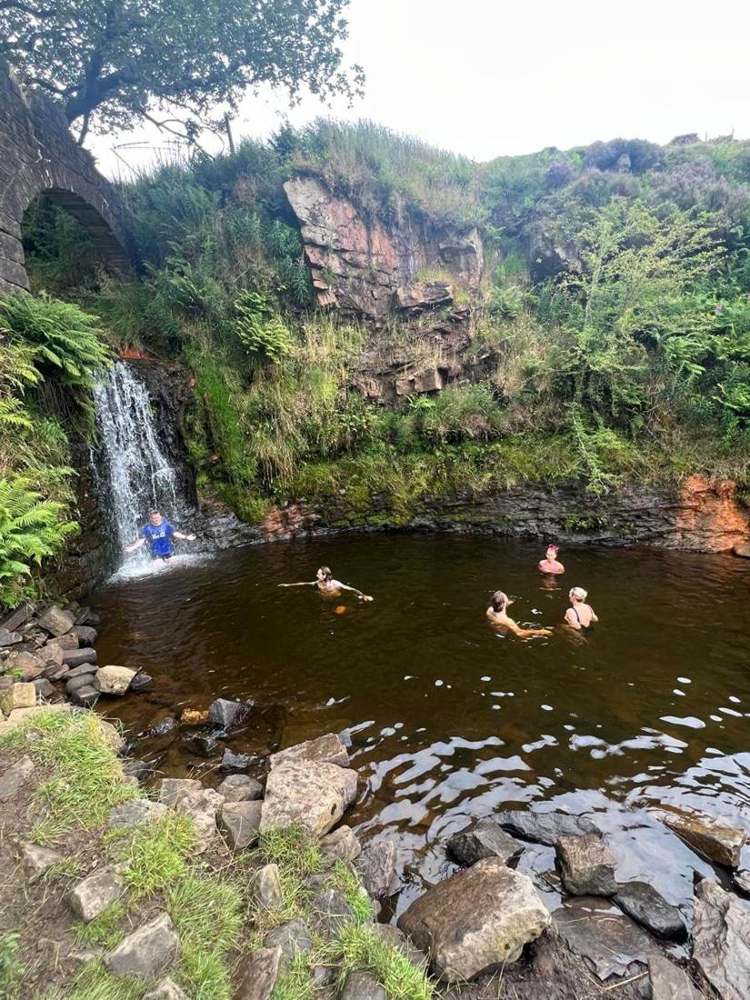
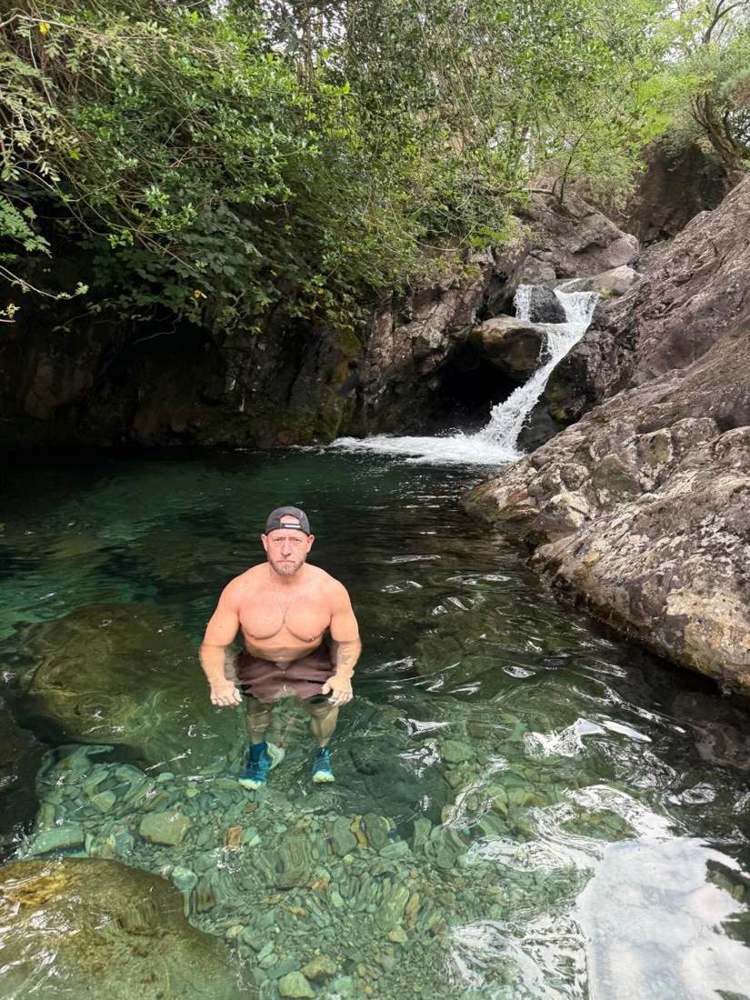
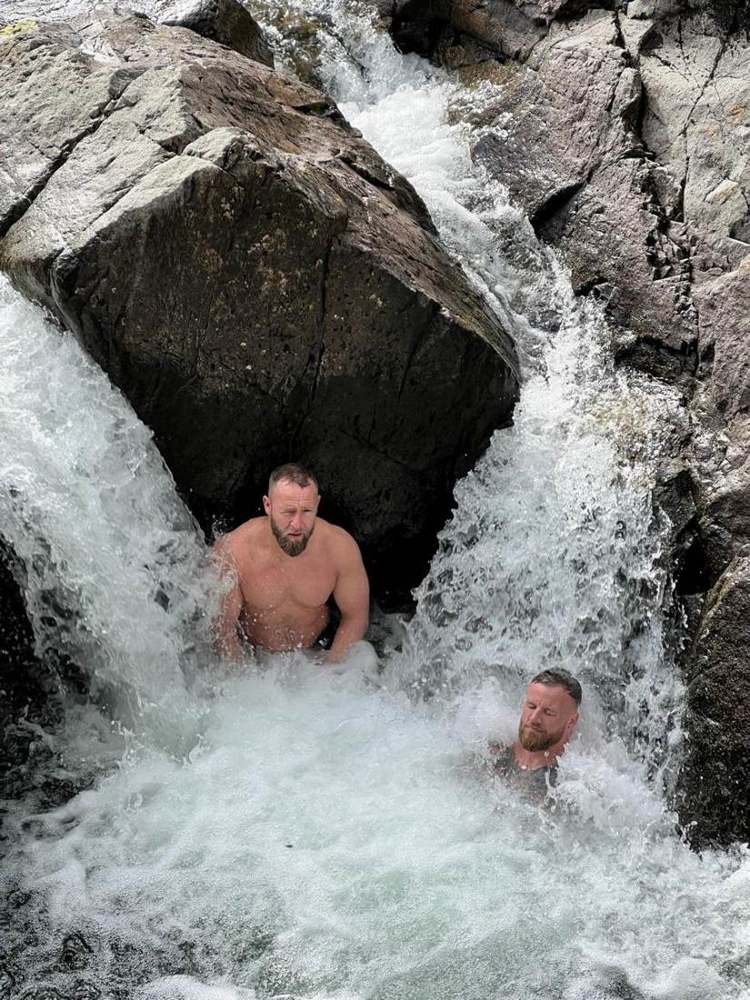
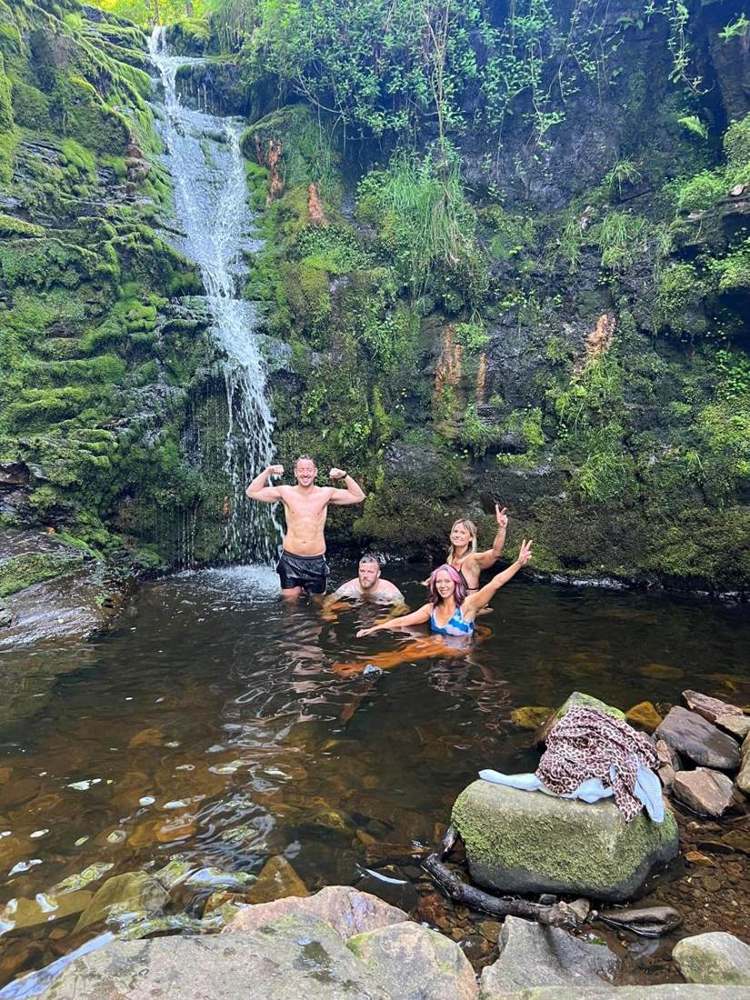
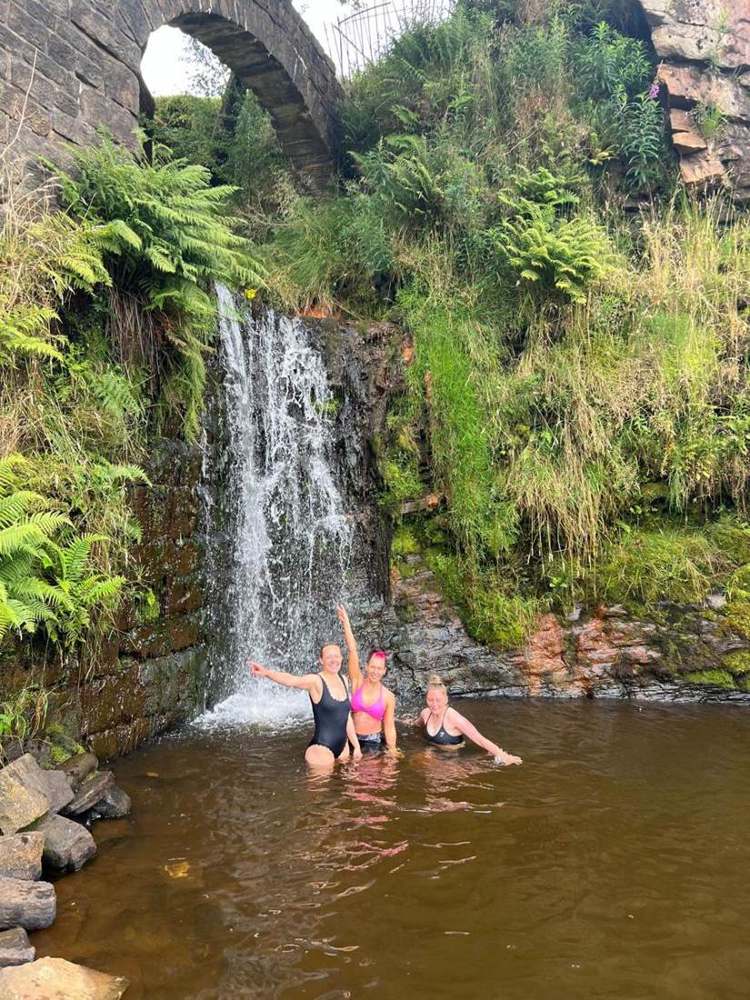
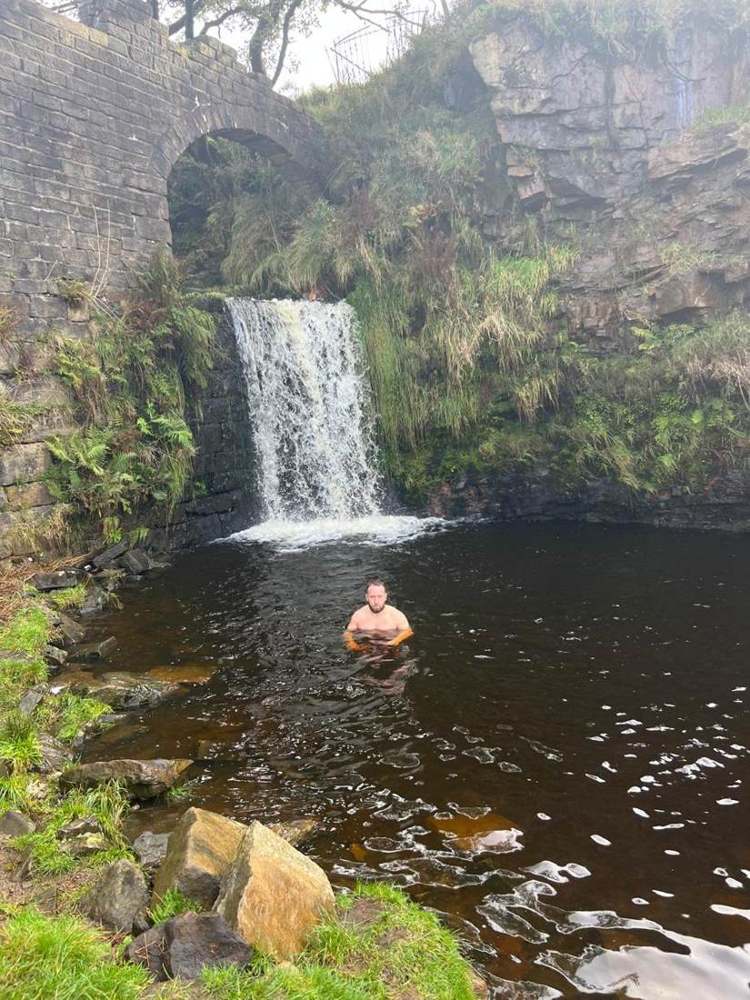
Some Solna days finish in a tarn, a beck or a waterfall pool. Cold, ridiculous, and the bit everyone talks about after.
Cold water
Some Solna days finish in a tarn, a beck or a waterfall pool. Cold, ridiculous, and the bit everyone talks about after.
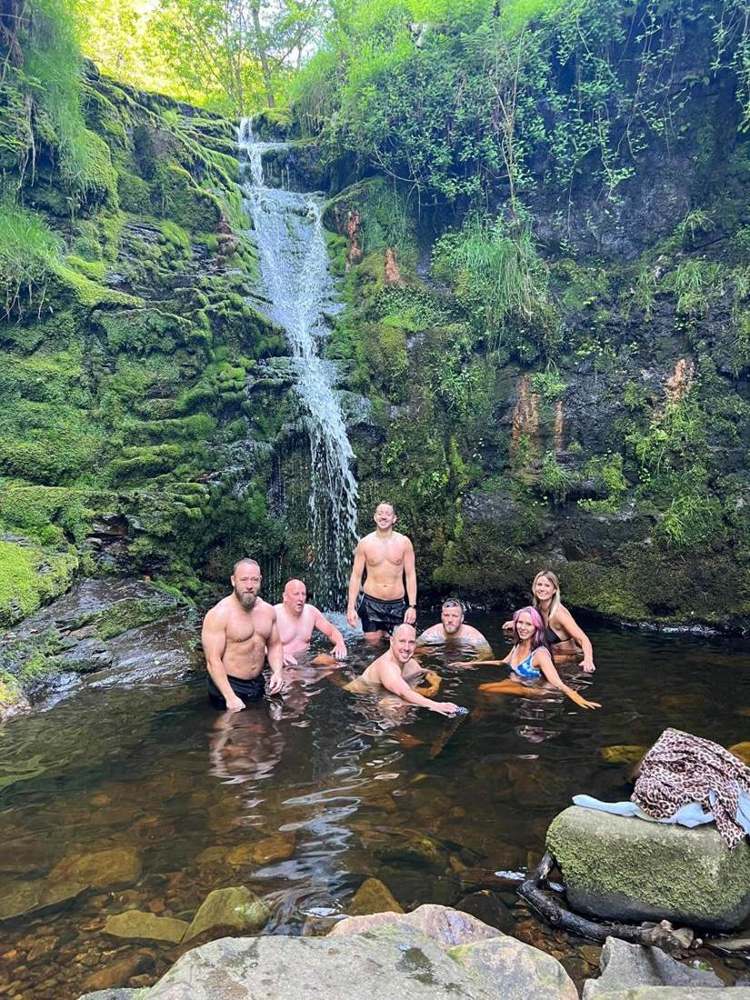
You've just walked up a hill. You're warm, you're a bit tired, and there's a pool of mountain water in front of you that's somewhere between eight and twelve degrees. Getting in makes no sense. Then you do, and for about ninety seconds nothing else exists — not the week, not the phone, not the thing you were worrying about on the drive up. That's why we do it.
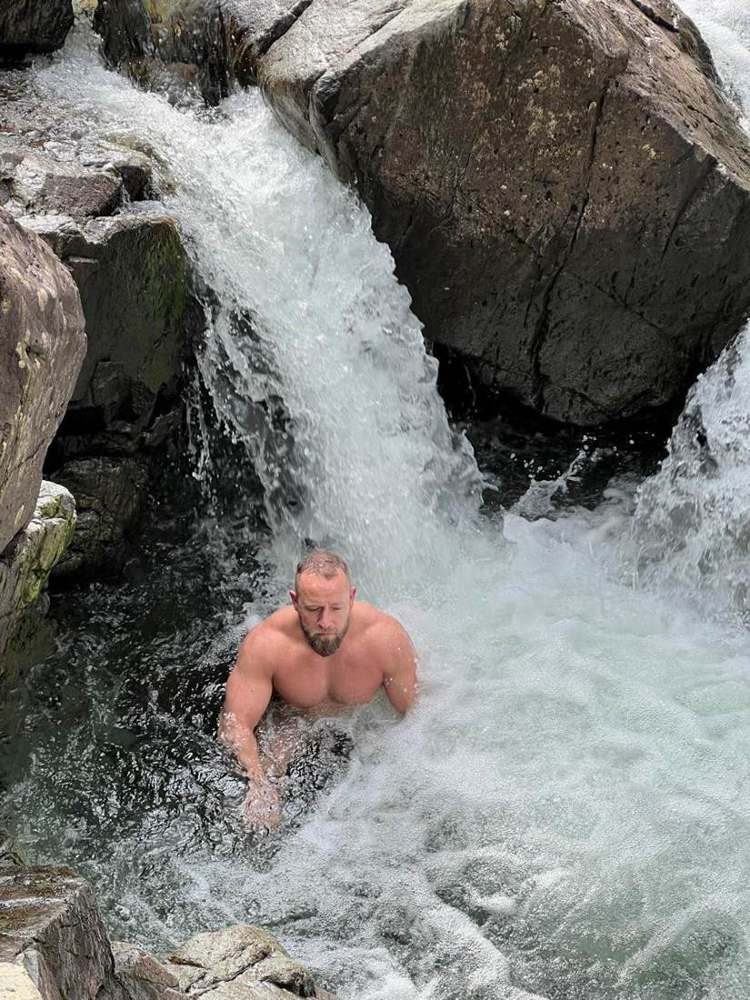
The first thirty seconds are the hard part: the gasp, the fast breathing, the urge to get straight back out. Breathe slowly through it and the body settles. What most people feel afterwards is a lift that lasts well into the evening — clearer head, better mood, and a sleep that night like you've been switched off at the wall.
There's a growing body of research into cold water immersion and mood, stress and resilience, and a lot of people who swear by it. We're not scientists and we won't overclaim. What we can say is that nobody has ever got out of a Lake District pool with the Solna group and said they wished they hadn't.
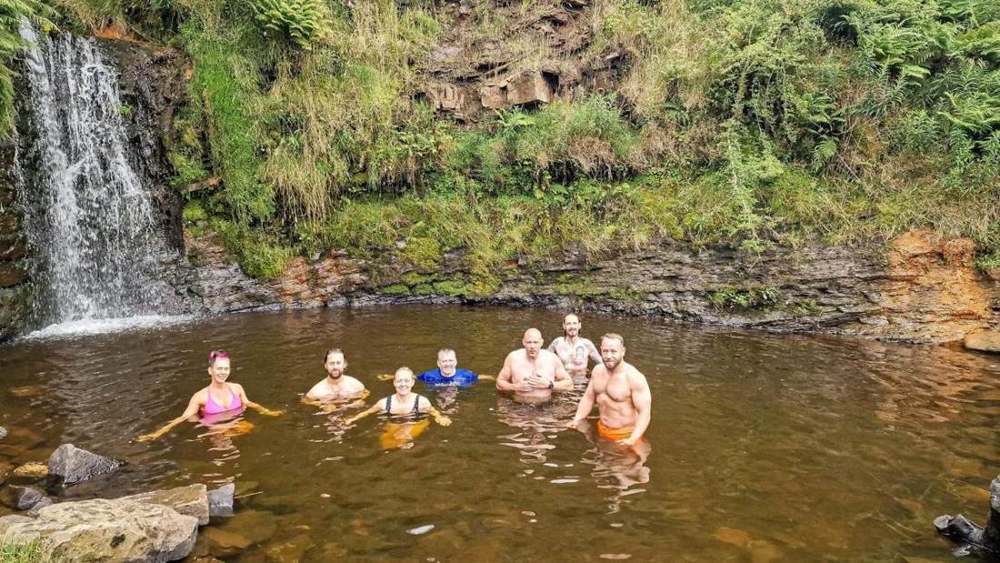
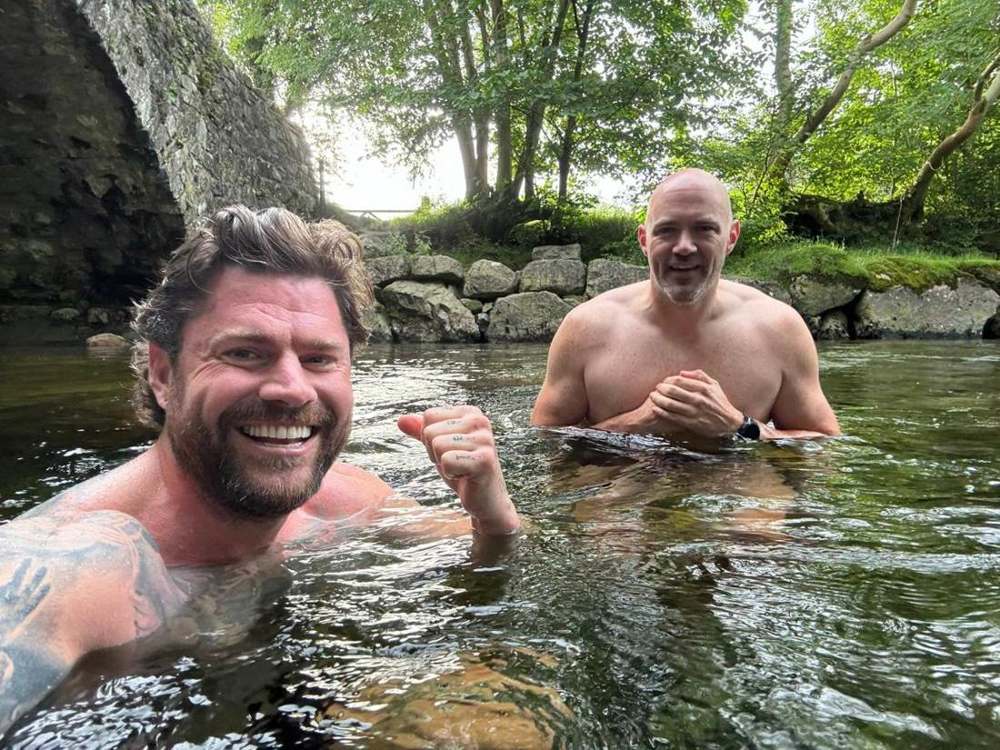
Getting into cold water on your own takes willpower. Getting in with eight other people who are all shrieking takes about four seconds. The shared stupidity of it is half the point — it turns a group of strangers into a group with a story, and it's the thing people post about afterwards.
We pick the spots: waterfall plunge pools, slow bends in a beck, the Buttermere infinity pools. Shallow enough to stand, clear enough to see your feet, and always with an easy way out.
Always optional. Plenty of people paddle, cheer and take the photos. Nobody goes in alone, and a leader stays on the bank the whole time with a line of sight to everyone.
Walk in, don't jump. The first 30 seconds are the cold shock — the gasp and the fast breathing. We get in gradually, keep our faces out of the water and don't hold our breath until that's passed and breathing is steady again.
Short dips. First-timers: two or three minutes is plenty. Nobody stays in longer than ten. You stop feeling the cold well before your muscles stop working, so we go by the clock, not by how you feel. If your hands get clumsy or your movements stiffen, that's your cue to get out.
Warm up properly after. Your body keeps cooling for around half an hour after you get out — the "afterdrop". Out promptly, dried off, dressed in warm windproof layers, hot drink. We don't let anyone drive off in that first half hour.
Know when not to. We don't do it when the beck's in spate, when the water's not clear enough to see the bottom, or when the forecast is wrong. If you have a heart condition, high blood pressure, asthma, diabetes that isn't well controlled, a seizure disorder, circulation problems, cold urticaria, or you're pregnant or on medication that affects heart rhythm, talk to your GP before you try it, and tell us on the day. There's no pressure, ever.
Our approach follows the cold water immersion guidance from Professor Mike Tipton and colleagues at the University of Portsmouth's Extreme Environments Laboratory (British Journal of Sports Medicine, 2022).
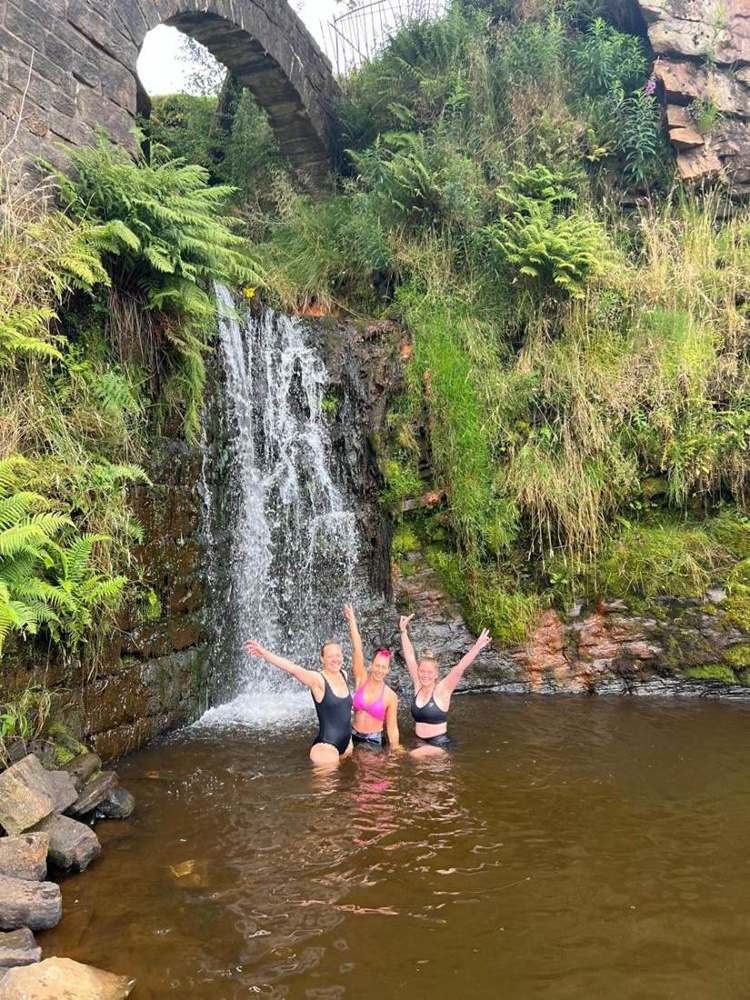
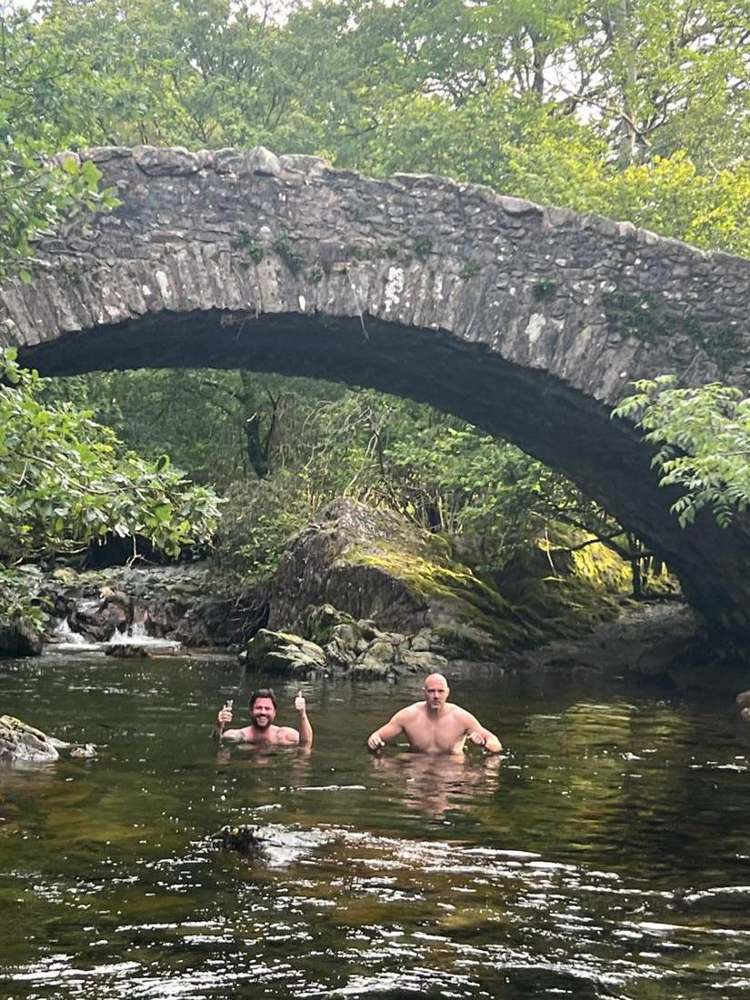
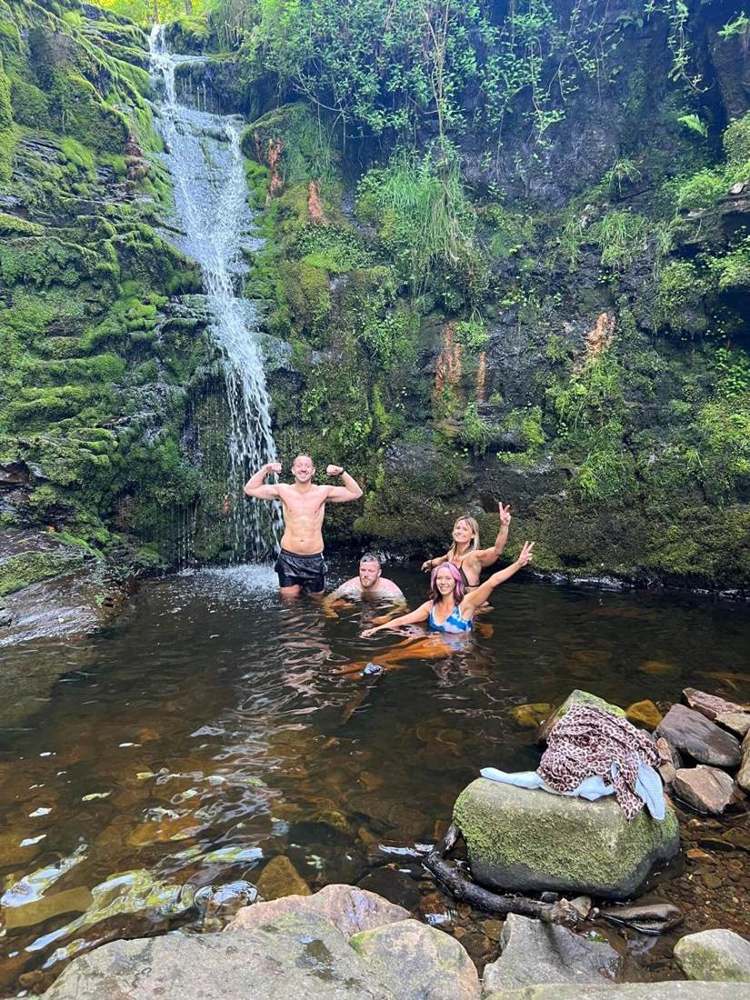
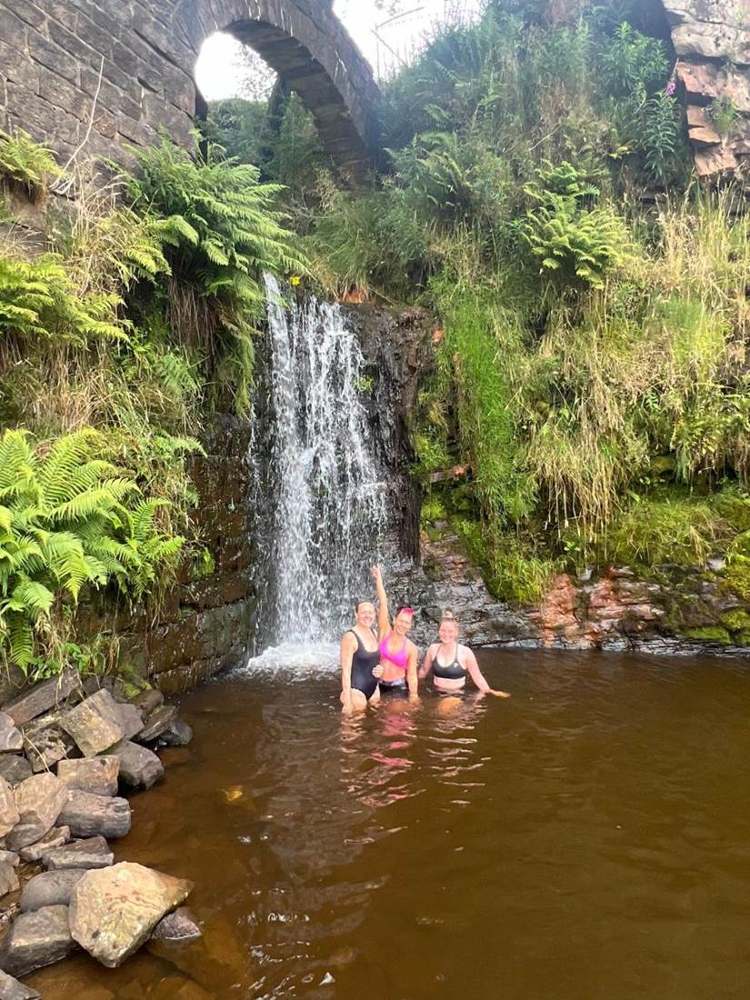
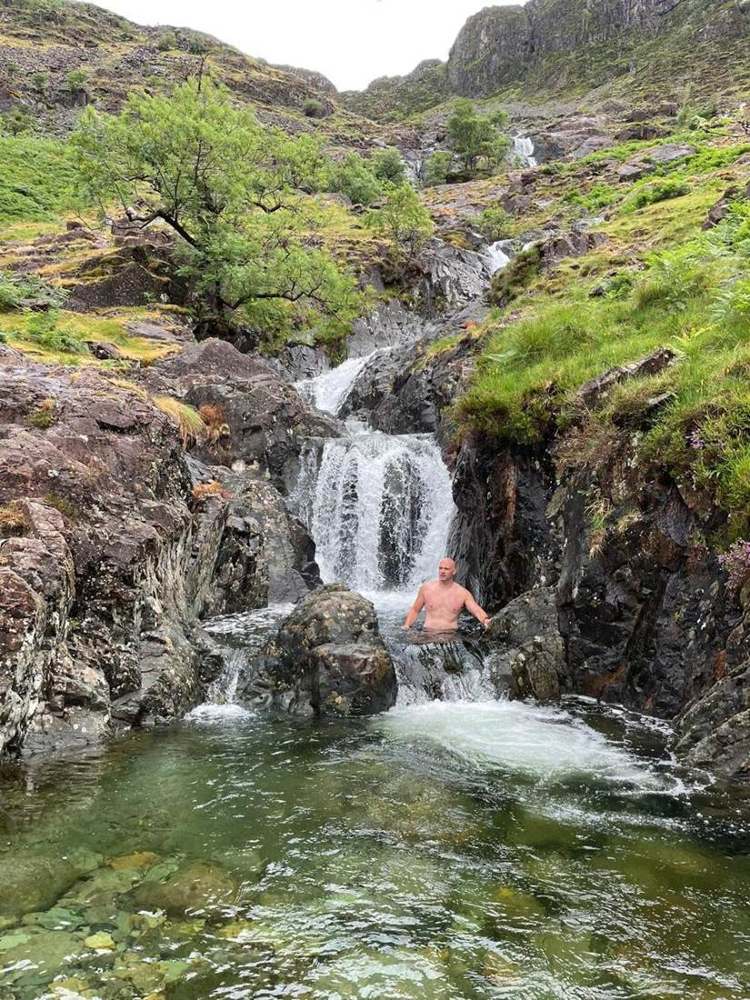
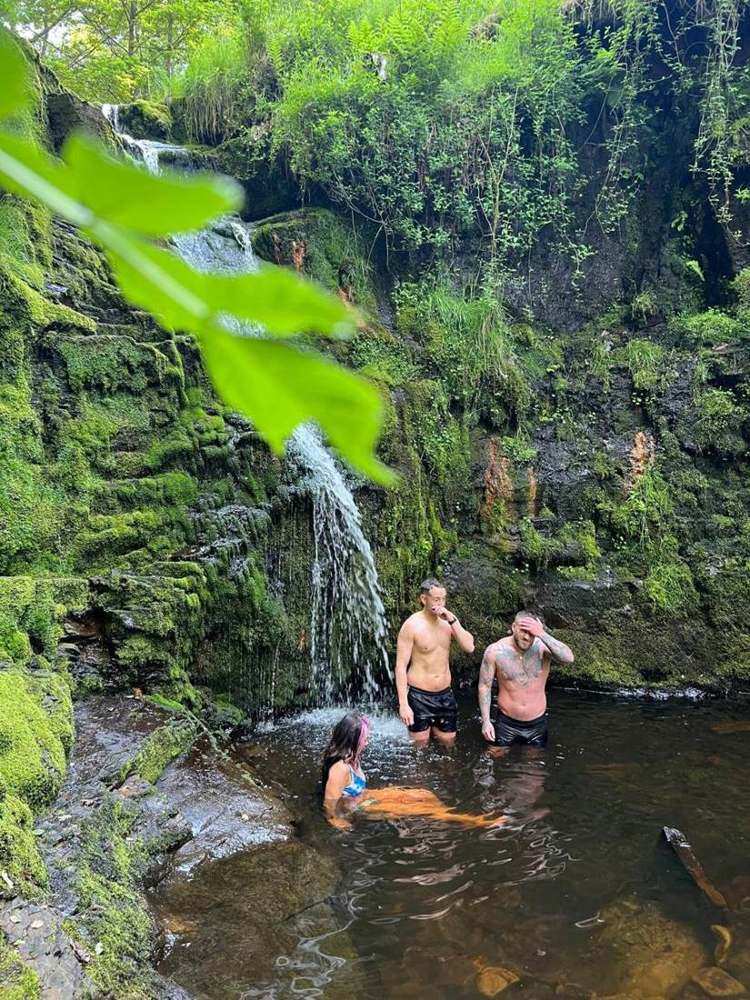
Walks with a dip are marked on the walk dates page. £15 a ticket, under-10s free, 25% to CALM.
Walk dates